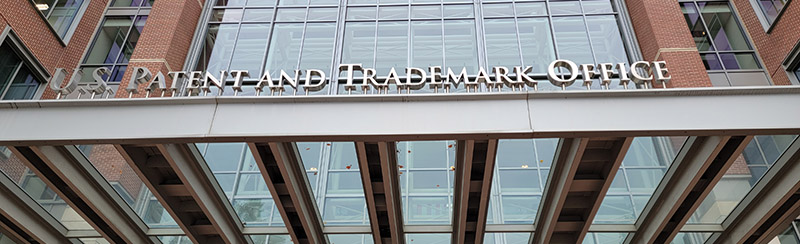
The U.S. Patent and Trademark Office (USPTO) just rolled out a new “late-filing penalty” for continuation applications that come in six or nine years after the earliest priority date in the family.
This isn’t just a cash grab. The USPTO has likely decided that ultra-late continuations — sometimes filed a decade after the original application — are being used to keep claim scope in flux long after the market has settled. That makes life unpredictable for competitors, and the Office is signaling it wants to curb that practice.
What Is a Continuation Application and Why It Matters
First, in case you need a reminder of what a continuation application is, think of it as keeping the door open. You’ve got an original patent application on file. A continuation* is a new application that uses the same description but lets you go after different claims — broader, narrower, or just different angles. The beauty is you keep the original filing date, which is gold in patent land.
USPTO’s New Late Continuation Filing Surcharge Explained
The USPTO will now charge additional fees for continuation applications filed six or nine years after the earliest priority date in the patent family. The longer you wait, the more you pay.
New USPTO Continuation Fees: Six-Year and Nine-Year Penalties
The new price of waiting
- Large entities: $2,700 (six years) / $4,000 (nine years)
- Small entities: $1,080 (six years) / $1,600 (nine years)
- Micro entities: $540 (six years) / $800 (nine years)
These numbers aren’t small, and they’re designed to get your attention. If you want to avoid paying them, you’ll need to plan ahead.
Why the Six-Year Deadline Is a Real Risk in Slow Patent Prosecution
This matters more than you think because patent prosecution is slow — sometimes glacial. In complex tech, pharma, or life sciences, it’s normal to be past the six-year mark before your first U.S. application is even allowed. File your continuation then, and you’re automatically in surcharge territory.
Questions to ask before you hit six or nine years
- Is this a blockbuster product? Keep a continuation pending — it’s the best way to adapt and keep competitors in check.
- Is anyone sniffing around your market? Continuations let you tailor claims midstream in litigation.
- Do you have features you never claimed? File early and lock them in without paying the extra fee.
- Did the USPTO restrict your application? That means they spotted more than one invention. File a divisional before the clock runs out.
Divisional Applications and Restriction Requirements: Don’t Miss the Window
If the USPTO issued a restriction requirement, that’s often a sign you have additional claim scope available. A timely divisional application can preserve those rights without triggering late continuation surcharges.
Six-Year vs. Nine-Year Continuation Strategy: A Practical Timeline
Goal: Keep strategic patent options alive without paying the USPTO’s new “late continuation” surcharges.
At 5½ Years from Earliest Priority Date
- Review portfolio: Identify any cases where you might want broader or different claims.
- Flag restrictions: Look for USPTO restriction requirements — these often signal unclaimed inventions.
- Decide early: File continuations/divisionals now if there’s any chance you’ll want them.
Six-Year Mark (Penalty threshold #1)
- If you file after today → you pay $2,700 / $1,080 / $540 (large/small/micro).
- If the case is valuable or the market is hot, consider filing before today to avoid this first surcharge.
Between Six and Nine Years
- Monitor product and market developments closely.
- Keep at least one application alive for critical cases.
Nine-Year Mark (Penalty threshold #2)
- Filing now costs $4,000 / $1,600 / $800.
- By this point, you should already have filed anything you need — paying this is last-resort territory.
How to Avoid USPTO Late Continuation Fees
Don’t let allowance dictate when you file continuations. Let strategy dictate — and let the clock tell you when it’s time to move.
Let Strategy — Not Allowance — Drive Continuation Timing
The six- and nine-year deadlines are now hard markers. The USPTO’s message is clear: if you’re keeping applications alive deep into the timeline, you’re going to need to pay for it. For everyone else, planning ahead avoids the surcharge and keeps your strategic options intact.