When U.S. Patent Disputes Go Global
If you’re an inventor or a patent owner, you probably have a simple mental map of how patents work: U.S. patents get enforced in U.S. courts, European patents in Europe, and never the twain shall meet. That map is starting to look outdated.
A recent patent fight between BMW and a patent owner called Onesta IP shows why you may want to redraw it.
Onesta owns a portfolio of graphics-processing patents it picked up from AMD. It believes BMW infringes those patents by using Qualcomm chips in its vehicles. So far, nothing unusual. Here’s where it gets interesting: instead of suing BMW in a U.S. court over the U.S. patents, Onesta filed suit in Germany—asserting not only a European patent, but two U.S. patents as well.
If your first reaction is, “Wait… you can do that?”—you’re not alone.
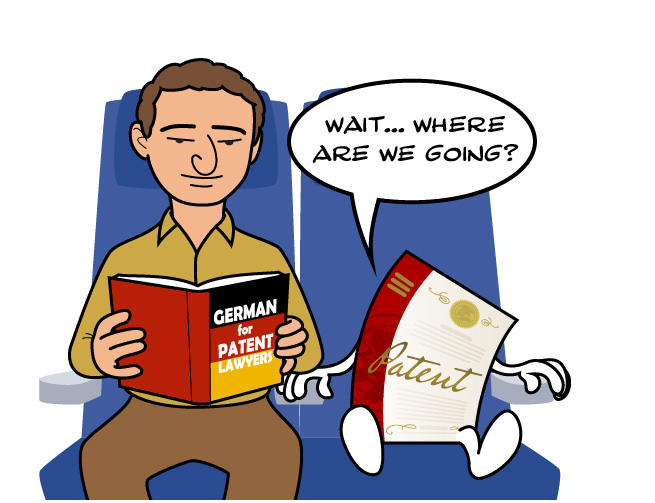
Why Patent Owners Are Filing U.S. Patents in German Courts
Onesta’s strategy wasn’t a stunt. It was made possible by a recent decision from Europe’s highest court that quietly changed the rules. Under this new approach, courts in EU countries can hear cases involving non-European patents if the defendant is based there. BMW is headquartered in Munich, so Munich became fair game.
Now here’s the part patent owners really care about: German patent courts move fast. Very fast. And if they find infringement, they typically issue an injunction as a matter of course. No long balancing tests. No hand-wringing about “irreparable harm.” Infringement equals “stop.”
Compare that with the United States, where getting an injunction can feel like trying to win an Olympic decathlon—especially if you license your technology instead of manufacturing products yourself. For many patent owners, Germany looks like a shortcut around those U.S. roadblocks.
BMW Responds to International Patent Lawsuit
BMW didn’t wait around to see how this would play out. Instead, it raced to a U.S. federal court in Texas and asked the judge to step in. The court agreed, at least for now, issuing an order that blocks Onesta from using the German case to undermine the U.S. proceedings.
That tells us something important: when patent disputes go international, they can turn into jurisdictional chess matches very quickly. One side files here, the other side files there, and suddenly the fight isn’t just about infringement—it’s about which court gets to decide anything at all.
The Growing Challenge of International Patent Jurisdiction
For years, U.S. courts have refused to hear foreign patent claims, even when doing so would be efficient. The reason has been “international comity”—a polite way of saying, “We won’t step on your toes if you don’t step on ours.” The assumption was that foreign courts would treat U.S. patents with the same restraint.
Europe’s new approach puts that assumption under serious strain. If foreign courts are willing to adjudicate U.S. patent rights, U.S. courts may eventually rethink their own self-imposed limits. That hasn’t happened yet—but the door is clearly cracked open.
What Patent Owners Should Know About International Enforcement
First, forum choice matters more than ever. Where a patent dispute is filed can determine how fast things move, how much leverage you have, and whether an injunction is even on the table.
Second, international patent portfolios are no longer just defensive trophies. They can shape enforcement strategy in ways that weren’t realistic a few years ago.
Third, global patent disputes can get expensive and messy in a hurry. Multiple courts, multiple legal systems, and competing orders are not for the faint of heart.
And finally, this is another reminder that patent strategy isn’t just about getting claims allowed. It’s about thinking ahead—where your technology will be used, who might need a license, and what enforcement options you want available if things go sideways.
The short version? The patent world is getting smaller, faster, and less predictable. If your inventions are being used worldwide, your enforcement strategy should be thinking worldwide too.