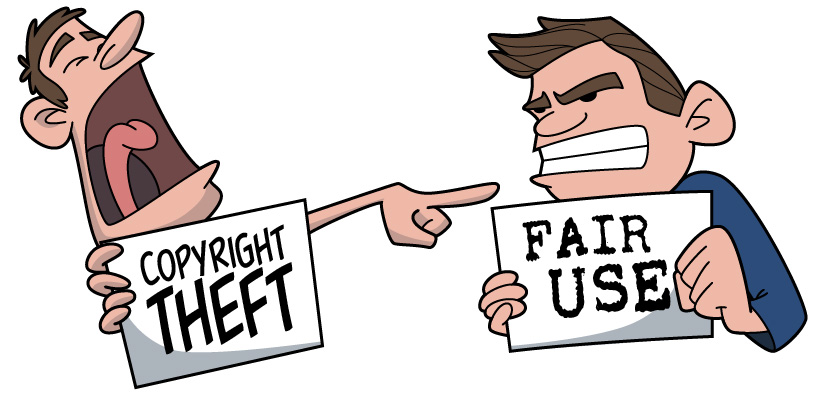
On February 11, 2025, the U.S. District Court for the District of Delaware delivered a landmark decision in Thomson Reuters Enterprise Centre GmbH v. Ross Intelligence Inc.
The court ruled that the use of copyrighted materials to train AI models does not qualify as fair use. This ruling represents a significant development in the ongoing legal debate over AI and intellectual property rights.
Background of the Case
Thomson Reuters owns the legal research platform Westlaw.
Westlaw provides users with legal texts, statutes, and editorial content, including headnotes that summarize key aspects of cases. Westlaw also employs a proprietary classification system called the “Key Number System” to organize legal materials.
Ross Intelligence, an AI-powered legal research platform, sought to develop a competing tool. Initially, Ross attempted to license Westlaw’s data for training purposes. When Reuters declined, Ross turned to a third-party company, LegalEase. LegalEase compiled “Bulk Memos,” which contained legal questions and answers based on Westlaw headnotes. Ross then used these memos to train its AI system.
Reuters filed a lawsuit in May 2020, alleging copyright infringement. The company argued that Ross used proprietary Westlaw content without authorization to build its AI-driven research tool.
Court Ruling and Rejection of Fair Use
Judge Stephanos Bibas granted Reuters’ motion for partial summary judgment and rejected Ross’s fair use defense. The court applied the four-factor test under U.S. copyright law.
1. Purpose and Character of the Use
The court found Ross’s use to be commercial and non-transformative. Ross used Reuters’ copyrighted material to create a directly competing product. The court concluded that the AI training process did not add a new or distinct purpose.
2. Nature of the Copyrighted Work
This factor slightly favored Ross because Westlaw headnotes contain factual elements. However, the court noted that the headnotes also reflect editorial judgment.
3. Amount and Substantiality of the Work Used
The court ruled in Ross’s favor on this factor. The headnotes were used only in training and were not displayed to end users.
4. Market Effect
The ruling heavily favored Reuters, as Ross’s tool directly competed with Westlaw, threatening its market share. The court emphasized that Ross could have developed its AI training data independently or through licensed sources. Because the fourth factor carried significant weight, the court ruled against Ross. The opinion made clear that fair use does not protect unauthorized use of copyrighted content for AI training.
Implications for AI and Copyright Law
This ruling is a major victory for copyright holders. It affirms their rights over proprietary content and may open new licensing revenue streams. On the other hand, AI developers now face stricter limitations on sourcing training data. They must rely on non-copyrighted works or obtain proper licensing agreements.
What This Decision Means for Generative AI
However, this decision is not the final word on AI copyright disputes. Judge Bibas noted that Ross’s system was not a generative AI tool. Instead, it functioned as a legal search engine.
Future cases involving generative AI may lead courts to take a different approach. That shift may be particularly likely on the transformative use factor. As AI continues to evolve, the legal landscape will likely shift as well.
This case sets an important precedent but leaves open questions about AI-generated content.
For now, AI companies should proceed carefully. They should ensure that their training data complies with copyright law to avoid similar litigation.
AI and Fair Use related articles: Developments in Copyright and Artificial Intelligence