Background: USPTO Issues New AI Eligibility Memo
The USPTO issued a memorandum on Aug 2, 2025. This was to help examiners assess subject matter eligibility in software-related inventions, especially those involving AI and machine learning. The memo does not change existing rules. It only reinforces current guidance in the MPEP and the 2024 AI Subject Matter Eligibility Update.
Step 2A Prong One: Identifying Judicial Exceptions
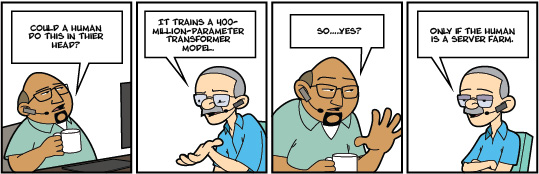
Examiners must determine if claims recite a judicial exception (abstract ideas, laws of nature, or natural phenomena). Special focus is given to the mental process category. The stress is that only processes that can practically be performed by the human mind count as abstract ideas. Claims that merely “involve” but do not “recite” such exceptions remain eligible. (Check the end of this article if you want help understanding between involving and reciting)
Step 2A Prong Two: Integrating Exceptions into Practical Applications
If a judicial exception is recited, examiners must evaluate whether the claim as a whole integrates it into a practical application.
This includes checking if it improves computer functioning or another technical field. It can’t just tell a computer to “apply it.”
Guidance on Section 101 Rejections
Examiners should avoid oversimplifying claims and only issue 101 rejections when ineligibility is more likely than not.
(101 rejections cover subject matter that the law doesn’t allow patents on, like ideas that are too abstract or laws of nature, for example)
Full Examination Still Required
The memo reiterates that a complete examination must address all statutory requirements. This includes Sections 101, 102, 103, and 112, and must be done in the first Office action.
USPTO Training and AI-Specific Examples
The USPTO also points examiners to ongoing training materials and illustrative examples, including AI-focused scenarios, to guide eligibility analysis.
Takeaway: Emphasis on Real Technological Improvements
In short, the memo emphasizes careful distinctions between abstract ideas and genuine technological improvements, particularly in AI and machine learning inventions.
Here is a link to the full article:
https://www.uspto.gov/sites/default/files/documents/memo-101-20250804.pdf
PS: These memos are guidelines, not mandates.
For some other articles covering the ongoing debate over AI and Patent Eligibility, see these articles:
When a Patent Case Is Really a Personhood Case
Who Gets Credit When AI Invents? A Look at the History—and Future—of Inventorship