The DABUS Litigation Is a Personhood Fight Disguised as a Patent Fight
Dr. Stephen Thaler has lost another case trying to have his DABUS AI system recognized as a patent holder—this time before the Canadian Patent Appeal Board. Each loss cites essentially the same reason: inventors must be natural persons under the law.
At first, this may seem puzzling. However, the point isn’t about intellectual property at all.
A Wired article explains that “one of Thaler’s main supporters wants to set precedents that will encourage people to use AI for social good.
But Thaler himself says his cases aren’t about IP—they’re about personhood. He believes DABUS is sentient.
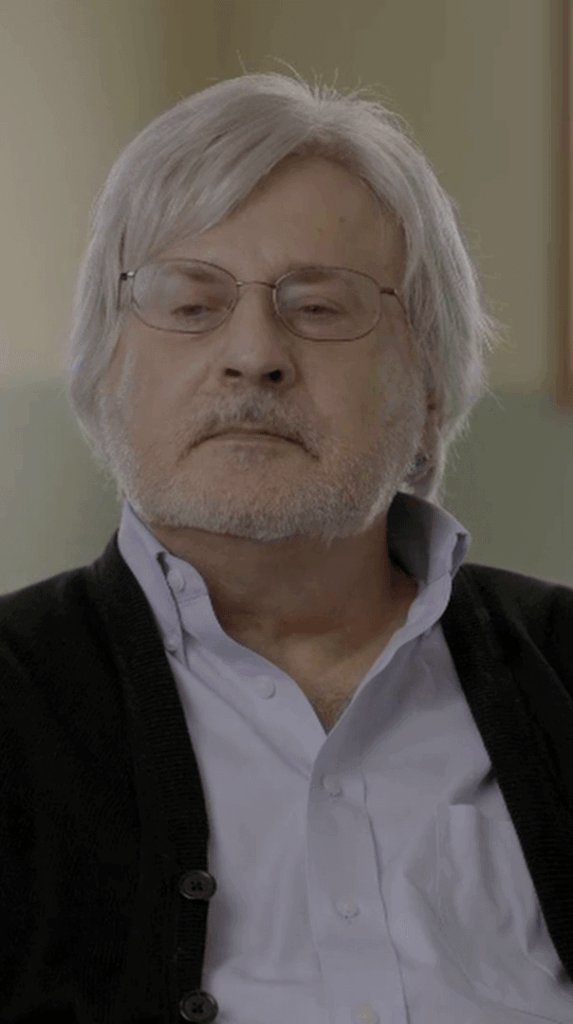
Photo source: https://aidecoded.com/project/dr-stephen-thaler/
The lawsuits are a way to draw attention to the existence of what he considers a new species. ‘There is a new species here on earth, and it’s called DABUS.’”
Later, the article notes that Thaler “seems exasperated that journalists have tended to focus on the legal aspects of his cases.”
Why AI doesn't need patent rights to innovate
Legal protections currently apply to humans to encourage innovation. The patent system grants rights to patent holders so that, if their intellectual property is infringed, they can seek financial compensation through the courts. Yet, if an AI system were truly sentient and invented something, would it need such encouragement? Would compensation be paid to the AI if a court ruled in its favor? The answers appear obvious: no, and no.
Therefore, there is no practical reason to give AI systems IP protection. Still, that isn’t Thaler’s mission. His stated goal is to have his system recognized as sentient and to expand the definition of personhood.