NEWS
New Offices
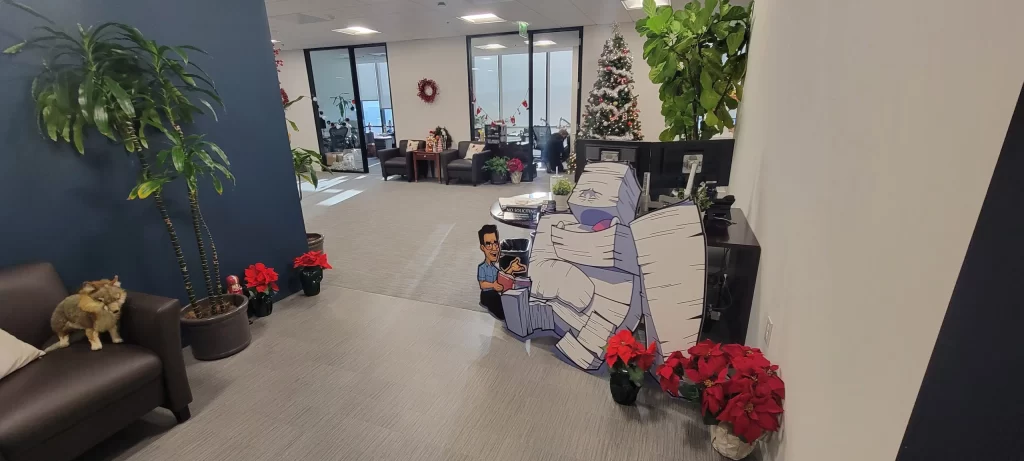
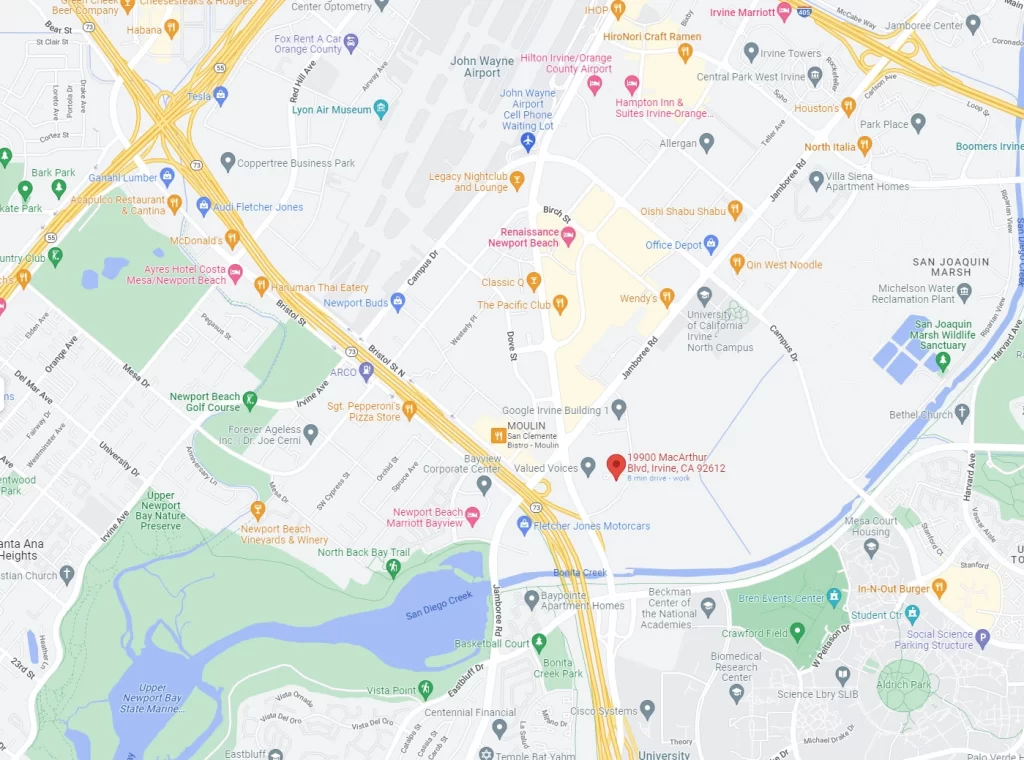
We are officially moved into our new offices. We are now located at 19900 MacArthur Blvd. Suite 810, Irvine CA 92612, a few miles south of the old office building.
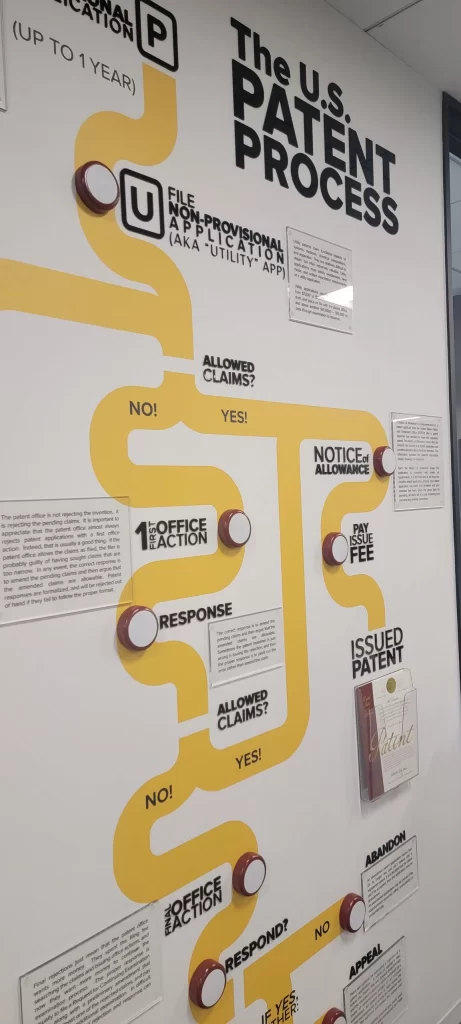
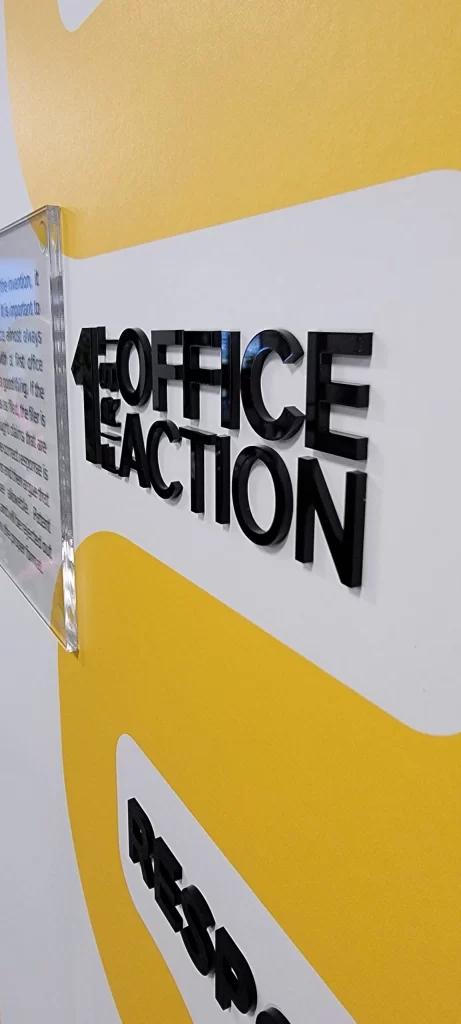
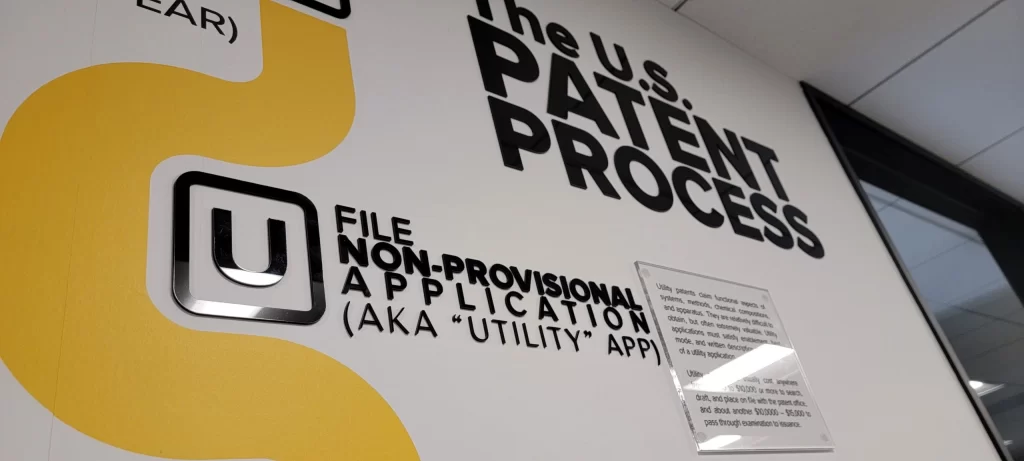
Here are a few pictures of the new place.
Fish IP Law Is Moving!
Fish IP Law is moving to a new location this weekend. We should be completely moved in by Wed. Dec. 14. The new offices will be located at 19900 MacArthur Blvd. Suite 810, Irvine, CA 92612.
Update on the European Unitary Patent – Coming April 1, 2023
What is the European Unitary Patent?
The new European Unitary Patent (UP) system is now coming into effect on April 1, 2023 for 17 EU member states. Included are Austria, Belgium, Bulgaria, Denmark, Estonia, Finland, France, Germany, Italy, Latvia, Lithuania, Luxembourg, Malta, the Netherlands, Portugal, Slovenia, Sweden. Other EU countries are expected to join at a later date.
Benefits of the Unitary Patent System
In our previous article, we highlighted some benefits of the new UP system. There will be a Unitary Patent Court (UPC), which will have jurisdiction over the infringement and validity of UP patents and over all signing member states. The UPC will also have jurisdiction over existing European Patents, but the holders of such patents will have the option to “opt out” of the UPC.
Should owners of existing European Patent opt in or opt out of the UPC?
We think that the UPC jurisdiction will be highly advantageous. First of all, it will be cheaper to litigate in, and it will prevent forum shopping among member states. A UPC decision will be valid and enforceable in all signing member states. This will prevent diverging decisions and lack of legal certainty. One foreseeable and important disadvantage, however, is that a patent deemed invalid by a UPC decision will also be automatically invalidated in all signing member states.
Cost and Coverage Advantages of the UP System
In any case, the UP system will undoubtedly be worth it for those seeking protection in numerous member states. The cost of filing through the UP system is scheduled to be about the same as filing in five individual states.
Read more at Unitary Patent Guide – FAQ
Lucia Minnucci, LL.M
Lucia Minnucci is a Law Clerk at Fish IP™. Lucia received her first degree in law from the University of Bologna, in Bologna, Italy. After obtaining her law degree, Lucia received an LL.M degree from the University of Pennsylvania Carey Law School, with a concentration in Intellectual Property and Technology Law.

The European Unitary Patent – Coming Soon
A New European Unitary Patent System
A new European Unitary Patent (UP) system is expected to come into effect in the second half of 2022. This will make it possible to get patent protection in up to 25 EU Member States with one single application.
How the Current European Patent Validation System Works
Under the current system, patents are granted by the European Patent Office (EPO). Those patents must then be validated, maintained, enforced or revoked in each member state individually. Requirements usually vary between countries, which makes the process complicated and costly.
Key Benefits of the Unitary Patent System
The UP seems to have several important benefits:
- A simplified prosecution, with no extra requirements (such as translations) and fees.
- One renewal system and all the administration post grant handled centrally through the EPO.
- A Unitary Patent Court (UPC) dealing with infringement and validity of UP patents and European patents, and having jurisdiction over all signing member states (see here for the list).
- Harmonization of substantive law, which should make patent prosecution in Europe much easier to navigate and hopefully prevent inconsistent decisions.
- A transitional period of seven years. You may opt out of the UPC jurisdiction for classic European patents, in favor of litigation before national courts.
Administrative Challenges Under the Current System
At Fish IP Law, we remember countless occasions in which the current system has caused delays, expenses and headaches. For example, recording the transfer of a granted patent. This simple step required recordation in each member state in which the registration was validated. Because of this, a simple recordation can involve communicating with several foreign associates, preparing and executing different forms and documents and spending a considerate amount of money.
Expectations for the European Unitary Patent
We have high expectations for the new simplified UP system.
Read more at Unitary Patent Guide – FAQ
Previous articles on the European Unitary Patent: European Unified Patents Update
Lucia Minnucci, LL.M
Lucia Minnucci is a Law Clerk at Fish IP™. Lucia received her first degree in law from the University of Bologna, in Bologna, Italy. After obtaining her law degree, Lucia received an LL.M degree from the University of Pennsylvania Carey Law School, with a concentration in Intellectual Property and Technology Law.
The Latest Case in Enforcement of Design Patents
A Design Patent for a Graphical User Interface
In 2021, Wepay Global Payments LLC obtained a design patent for “a display screen portion with animated graphical user interface”. (US Pat. No. D930702) as shown in the pictures below.
The broken lines, as well as the process in which one figure transitions into another, are not part of the claimed design. It is therefore difficult to determine what this design patent is actually claiming. This, however, has not stopped Wepay from trying to enforce the patent.
Multiple Design Patent Infringement Lawsuits Filed
Wepay has filed 11 infringement suits against PNC, Apple, Tesla, Amazon, Bank of America, PayPal and other well-known companies. Wepay alleges infringement of the design covered by the ‘702 patent.
Wepay alleges infringement of the design covered by the ‘702 patent. What does that design include? First, there is an icon that simulates a QR code. Second, it includes a screen where the user can choose the recipient of the money. Third, there is a display screen with a zero value, where the user can input the amount.
Courts Reach Different Conclusions on Design Similarity
A Texas court denied PayPal’s motion to dismiss. However, a Pennsylvania court agreed with PNC in finding the two apps dissimilar. The only similarity between the two being limited to basic geometric shapes. But the differences were notable enough for an ordinary observer to distinguish them. In particular, the court pointed out that any similarity between the two d
Possible Appeal and Implications for Design Patent Law
Given the various lawsuits filed by Wepay, it is expected that the Pennsylvania decision will be appealed. It will be interesting to monitor the process of the ongoing cases, as they will likely provide some insight on the application of the test for design patent infringement.
Additional sources
Dashed Lines Broaden the Scope of a Design Patent, But this is Ridiculous
A Tale of Two Motions: A Closer Look at Motions to Dismiss in Design Patent Cases
For more information on Design patents, we have a FAQ on Design Patent Applications that explains them, in contrast with Utility patents. It is found in our Types of Patents section.
Lucia Minnucci, LL.M
Lucia Minnucci is a Law Clerk at Fish IP™. Lucia received her first degree in law from the University of Bologna, in Bologna, Italy. After obtaining her law degree, Lucia received an LL.M degree from the University of Pennsylvania Carey Law School, with a concentration in Intellectual Property and Technology Law.